Overcoming Candidate Ghosting in Anesthesia Recruitment: A Modern Strategy
By Jobs in Anesthesia
Published on

In the high-stakes world of anesthesia staffing, "candidate ghosting" has evolved from a minor annoyance to a significant strategic vulnerability. In a market where providers—anesthesiologists, CRNAs, and CAAs—hold the power, promising leads often vanish if the internal hiring process feels stagnant. For those looking for their next career move, speed and transparency are the deciding factors.
The Friction of Silence
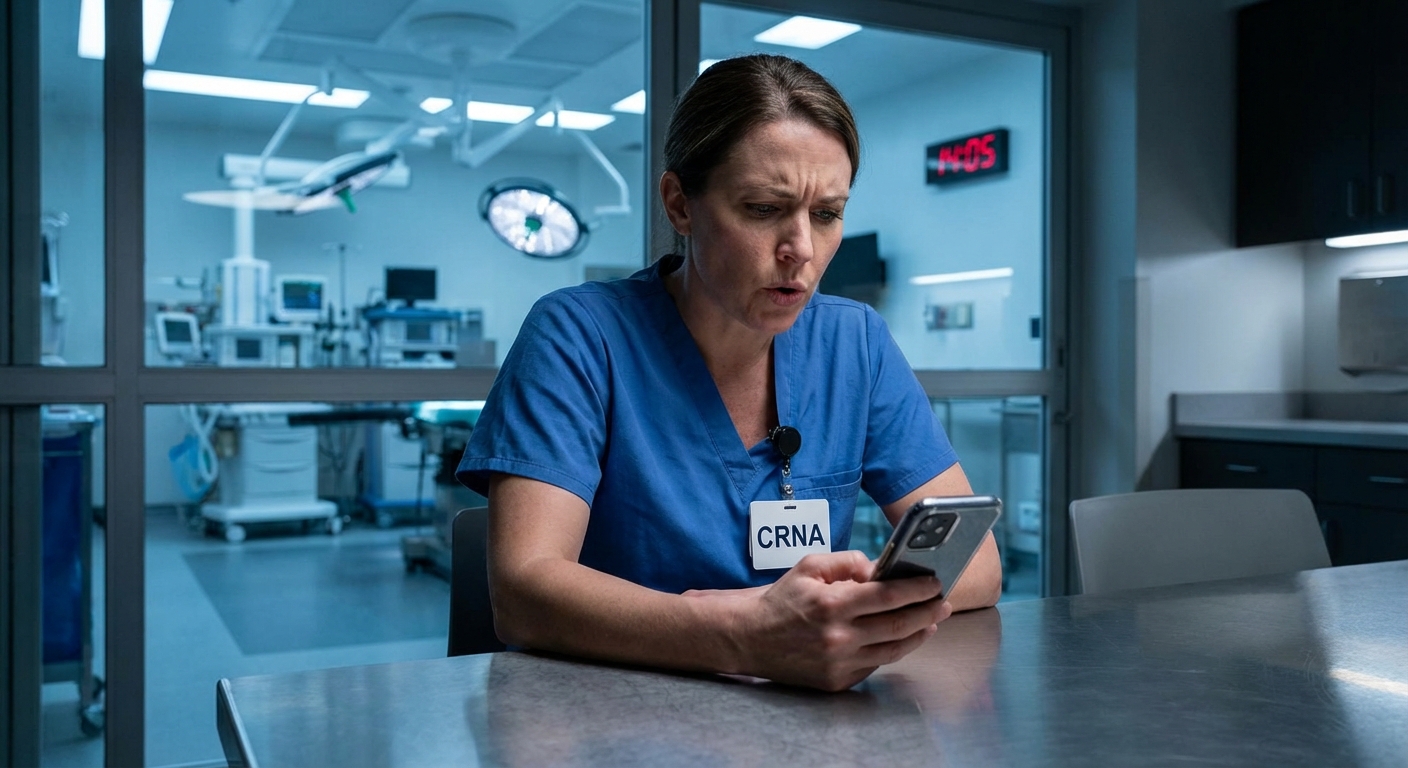
Ghosting is rarely random; it is usually a response to engagement friction. When a candidate is enthusiastic after an initial interview but faces a follow-up silence exceeding two weeks, they don't just wait—they accept competing jobs where they feel more valued. Scheduling chaos between busy Medical Directors and active providers frequently kills hiring momentum, leading to a breakdown in communication.
The AI Antidote: Speed and Transparency
To stop the "disappearing act," recruiters must transition from manual, reactive workflows to an AI-driven automation engine. This shift ensures that anesthesia professionals are kept engaged throughout the entire process.
AI Communication Agents: Ensuring that "time to first contact" is under 48 hours keeps candidates "warm" while recruiters handle negotiations.
Automated Interview Orchestration: Syncing hiring managers' and candidates' calendars in real-time eliminates the back-and-forth email chains that lead to cancellations.
Generative AI for Clarity: Transparent job postings that detail call ratios and "lifestyle architecture" help candidates understand the daily reality of their potential new career.

Intelligent Workforce Matching
Securing talent in 2026 requires more than just a job post; it requires a seamless, instantaneous experience. By using AI algorithms to identify providers whose success profiles and preferred schedules align with specific facilities, the risk of late-stage withdrawal is drastically reduced. This ensures that the search for new jobs is productive for both the provider and the healthcare facility.
How much is administrative lag costing your OR revenue this month? By leveraging automation, you can ensure your facility is never left in the dark.
How is your team handling these hurdles?
Check your score: Take the Recruiting Efficiency Assessment to see if your team is optimized for the current market.
Join the discussion: Register for our upcoming webinar, "Anesthesia Recruiting Challenges and Solutions," to learn 5 ways to increase your speed-to-hire.
Automate your board: Explore how AI matching at Jobs in Anesthesia can rebuild your talent pipeline.
How much is administrative lag costing your OR revenue this month?
Find your next job on Jobs In Anesthesia.