Mastering the 3-3-3 Rule: Modern Follow-Up Etiquette for Anesthesiologists
By Jobs in Anesthesia
Published on

In 2026, the market for anesthesia professionals is firmly a candidate’s market. With a projected shortage of roughly 3,720 FTE anesthesiologists and an aging patient population, providers have significant leverage when negotiating high sign-on bonuses and flexible schedules. However, having the upper hand does not excuse a lack of professional polish. In a high-speed hiring environment, mastering the art of the follow-up is what separates top-tier candidates from the rest of the pack in their career search.
The Gold Standard: The 3-3-3 Rule
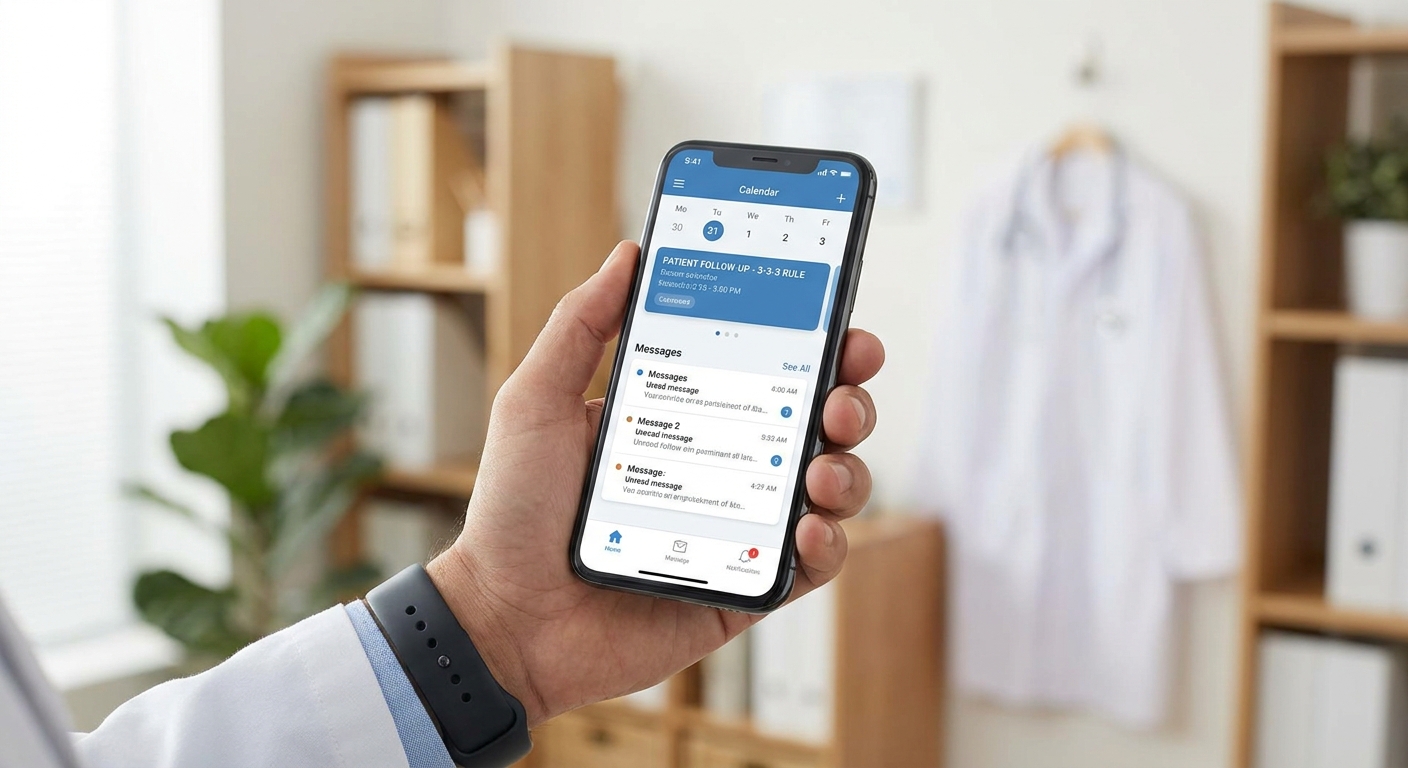
Modern jobs search etiquette in 2026 has been codified into the "3-3-3 Rule." This framework ensures you remain top-of-mind without becoming a nuisance to busy recruitment teams:
- 3 Days After Application: If you haven’t heard back within three business days of submitting your materials, a brief, professional check-in is expected.
- 3 Days After an Interview: Send a thank-you note immediately, followed by a status inquiry three days later if no timeline was provided.
- Every 3 Weeks: For roles that remain open or in "pending" status, a cadence of checking in every three weeks maintains the relationship without appearing desperate.
The Digital Mirror: AI and Profile Alignment
In 2026, your CV is no longer a static document; it is part of a broader digital ecosystem. Modern hospital HR departments utilize AI to cross-reference your clinical history across platforms like LinkedIn and Doximity. Consistency is paramount.
Discrepancies between your stated experience and your digital footprint are immediate red flags. Furthermore, Applicant Tracking Systems (ATS) are now tuned to scan for specific keywords such as "Regional Blocks," "TTE/TEE Proficiency," and "ERAS Implementation." Ensuring your digital profiles are optimized with these terms is essential for clearing the initial automated hurdles of the hiring process.
Avoiding Fatal Delays in Your Career Move
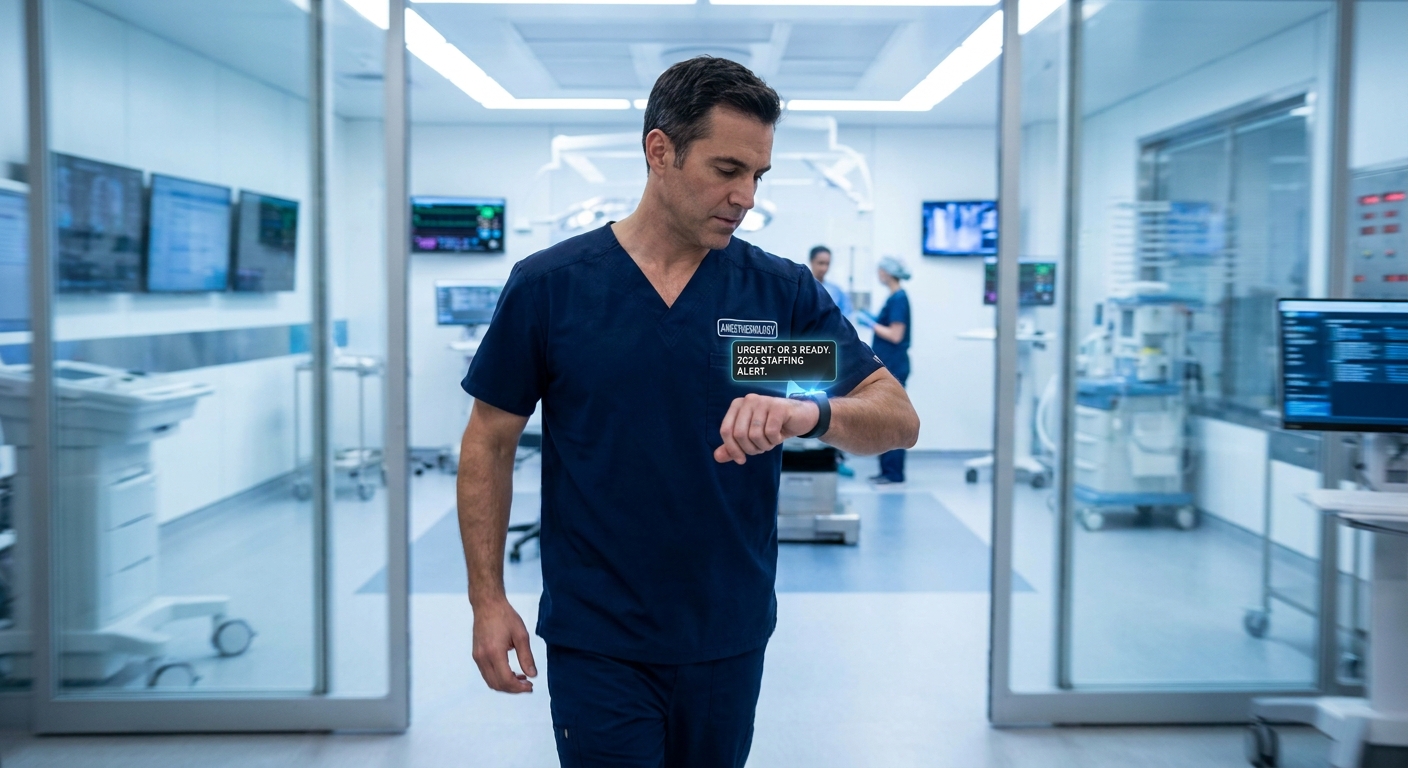
In the current recruitment landscape, "slow" is defined as any response time exceeding 48 hours. Because groups are desperate for coverage, delays in returning calls or emails are often interpreted as a lack of interest, leading recruiters to move on to the next available provider.
Candidates must also be proactive regarding 2026 CMS credentialing requirements. Any employment gap longer than 30 days now triggers a mandatory explanation. Failing to address these gaps—or failing to provide direct supervisor contact information—can stall your application indefinitely, as third-party HR verification is no longer sufficient for many payers.
Positioning as a Leader
Finally, your follow-up communications should reinforce your value as a "Perioperative Director" rather than just a clinician. By highlighting your impact on Enhanced Recovery After Surgery (ERAS) protocols or your ability to improve hospital throughput, you position yourself as an asset that reduces costs and improves clinical outcomes. In the 2026 market, professional etiquette is not just about being polite; it is about demonstrating that you are the organized, high-value leader the facility needs.
Find your next job on Jobs In Anesthesia.