Is Locum Tenens Right for Your Anesthesia Career in 2026? High Pay vs. Admin Fatigue
By Jobs in Anesthesia
Published on

As we navigate the 2026 anesthesia market, the professional landscape is shifting. With a persistent physician shortage, many providers are weighing the pros and cons of traditional employment versus the world of locum tenens. Choosing this career path offers a radical change in lifestyle and income, but it requires a careful look at the Locum Tenens Trade-Off.
The Financial Allure: Record-High Rates
In 2026, the primary driver for entering the locum tenens market is the lucrative daily compensation. Anesthesia professionals can expect daily rates ranging from $2,000 to $3,500. This offers earning potential that often far exceeds standard hospital-employed salaries, especially for those willing to work in high-demand or rural areas.

Ultimate Flexibility and Clinical Focus
Beyond the paycheck, locum jobs offer what many call the "ultimate flexibility." It allows you to design your own schedule and avoid the administrative bloat found in large health systems. For many, the ability to focus purely on clinical duties without the weight of committee meetings or departmental politics is the greatest advantage of this model.
The Trade-Off: Tax Complexity and Benefit Gaps
The 1099 status of locum work is a double-edged sword. Providers must navigate significantly greater tax complexity and the complete absence of traditional benefits such as health insurance, 401(k) matching, and paid time off. In 2026, the responsibility for managing malpractice coverage—specifically "tail" coverage—often falls on the individual unless explicitly negotiated with the locum agency.
The Modern Burden: "Credentialing Fatigue"
Perhaps the most significant deterrent for those looking for new jobs in 2026 is what is known as "credentialing fatigue." As locum providers move between sites, they must satisfy increasingly stringent regulatory requirements:
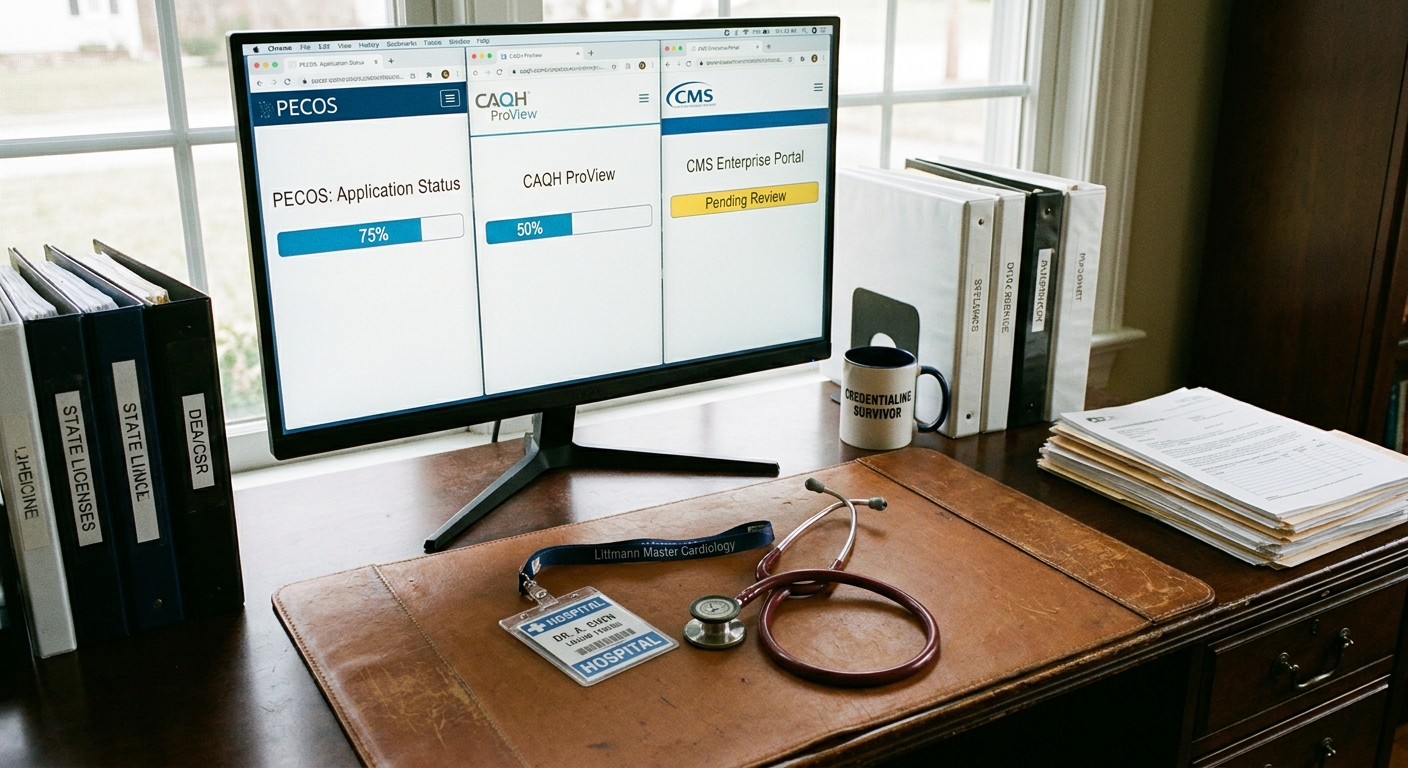
- CMS Gap Rule: New 2026 CMS standards require a formal, documented explanation for any employment gap longer than 30 days.
- PECOS Delays: The system’s migration to new cloud platforms has caused temporary but significant processing delays, often extending enrollment timelines to 60 or 120 days.
- CAQH Maintenance: To avoid de-credentialing, profiles must be updated and attested to every 90 days.
Each new assignment triggers a fresh round of primary source verification, where third-party verification is no longer considered sufficient by many 2026 payers.
Conclusion: Making the Choice for Your Career
The 2026 locum tenens trade-off is clear: you are trading institutional stability for clinical autonomy and high immediate pay. For the provider who is meticulously organized and comfortable managing their own "business of one," the locum path offers a level of freedom that is difficult to match. However, for those who find the prospect of constant credentialing and tax management daunting, the admin fatigue may quickly outweigh the daily rate.
Find your next job on Jobs In Anesthesia.